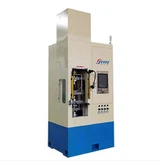
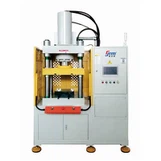
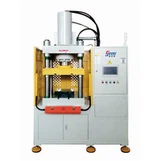
Hey there! As a supplier of Jet Hydraulic Presses, I often get asked about the types of materials these bad - boys can process. Well, let me tell you, the capabilities of a Jet Hydraulic Press are pretty impressive.
Metals
First off, metals are one of the most common materials processed by Jet Hydraulic Presses. Steel, for instance, is a staple in many industrial applications. Whether it's mild steel, stainless steel, or high - strength alloy steel, our presses can handle them all. We've got customers using our 20 Ton Electric Hydraulic Press to form steel sheets into various shapes, like brackets, enclosures, and automotive parts. The hydraulic power allows for precise control of the force applied, ensuring that the steel is shaped accurately without cracking or warping.
Aluminum is another metal that's frequently processed. It's lightweight, corrosion - resistant, and easy to work with. Our presses can extrude aluminum profiles, stamp aluminum sheets into different designs, and even forge aluminum components. For example, in the aerospace industry, where weight is a critical factor, Jet Hydraulic Presses are used to create complex aluminum parts with high precision.
Copper and brass are also on the list. These metals are known for their excellent electrical conductivity and malleability. Our presses can be used to make electrical connectors, decorative items, and plumbing fittings from copper and brass. The ability to apply consistent pressure ensures that the final products have a smooth finish and meet the required specifications.
Plastics
Plastics are a huge market for Jet Hydraulic Presses. Thermoplastics, such as polyethylene, polypropylene, and PVC, can be molded into various shapes using our presses. Injection molding with a Jet Hydraulic Press is a common method. The press heats the plastic pellets until they become molten and then injects them into a mold cavity. Once the plastic cools and solidifies, it takes on the shape of the mold. This process is used to make everything from plastic bottles to automotive interior parts.


Thermosetting plastics are also processed using our presses. Materials like phenolic resin and epoxy can be compressed and cured under high pressure and temperature. This results in strong, heat - resistant products, such as electrical insulators and industrial tool handles. The 20 Ton Floor Press is often used for these types of plastic processing jobs because of its robust construction and ability to handle high - pressure operations.
Composites
Composite materials are becoming increasingly popular in many industries due to their high strength - to - weight ratio. Fiberglass composites, for example, consist of glass fibers embedded in a resin matrix. Our Jet Hydraulic Presses can be used to compress fiberglass sheets and resin together to form strong, lightweight structures. This is commonly seen in the marine industry, where fiberglass boats are made using hydraulic presses.
Carbon fiber composites are another high - end material that our presses can handle. These composites are used in aerospace, automotive, and sports equipment industries. The press applies pressure to ensure that the carbon fibers are properly aligned and the resin is evenly distributed, resulting in a product with superior strength and stiffness.
Wood
Wood processing is also possible with Jet Hydraulic Presses. Plywood manufacturing is a prime example. Our presses can bond multiple layers of wood veneers together using adhesives. The hydraulic pressure ensures a strong bond between the layers, resulting in a plywood sheet that is sturdy and durable.
Wood can also be compressed to create engineered wood products. By applying high pressure, the density of the wood can be increased, making it more resistant to wear and tear. This is useful for making furniture, flooring, and construction materials.
Ceramics
Ceramics are brittle materials, but Jet Hydraulic Presses can still be used to process them. Green ceramics, which are unfired ceramic bodies, can be shaped using our presses. For example, ceramic tiles are often made by pressing ceramic powder into a mold using a hydraulic press. After pressing, the tiles are fired in a kiln to harden them.
In the production of advanced ceramics, such as those used in electronics and medical devices, Jet Hydraulic Presses are used to create precise shapes. The ability to control the pressure and the speed of the press ensures that the ceramic parts have the right dimensions and density.
Rubber
Rubber is a flexible and elastic material that can be processed using Jet Hydraulic Presses. Compression molding is a common method for rubber processing. The press compresses a pre - formed rubber blank into a mold cavity, forcing the rubber to take on the shape of the mold. This process is used to make rubber gaskets, seals, and O - rings.
Our presses can also be used for rubber extrusion. By applying pressure to a rubber compound, it can be forced through a die to create continuous rubber profiles, such as rubber strips and tubing.
Other Materials
There are also some other materials that Jet Hydraulic Presses can process. For example, some natural fibers, like jute and hemp, can be compressed into boards or mats using our presses. These natural fiber products are eco - friendly and can be used in packaging, insulation, and automotive interiors.
In addition, some soft metals like lead and tin can be processed. Lead is often used in the production of batteries and radiation shielding, and our presses can be used to shape lead into the required forms.
As you can see, the range of materials that a Jet Hydraulic Press can process is incredibly wide. Whether you're in the manufacturing, construction, or any other industry, there's a good chance that our presses can help you with your material - processing needs.
If you're interested in learning more about how our Jet Hydraulic Presses can work for your specific application, or if you're looking to purchase a press, don't hesitate to reach out. We're here to help you find the right solution for your business. And if you want to check out some of our specific products, you can click on the links below: 20 Ton Electric Hydraulic Press, 20 Ton Floor Press, and C Frame Press.
References
- "Handbook of Materials Processing" by John R. Davis
- "Manufacturing Engineering and Technology" by S. Kalpakjian and S. R. Schmid
- Industry reports on hydraulic press applications in different sectors.