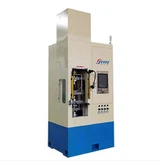
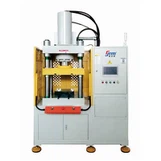
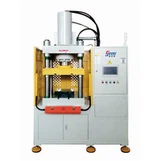
In the dynamic landscape of food processing, innovation is the key to enhancing efficiency, quality, and safety. One such innovation that has sparked considerable interest is the potential use of hot hydraulic presses in food processing. As a leading supplier of hot hydraulic presses, we are at the forefront of exploring the possibilities and challenges of integrating this technology into the food industry.
Understanding Hot Hydraulic Presses
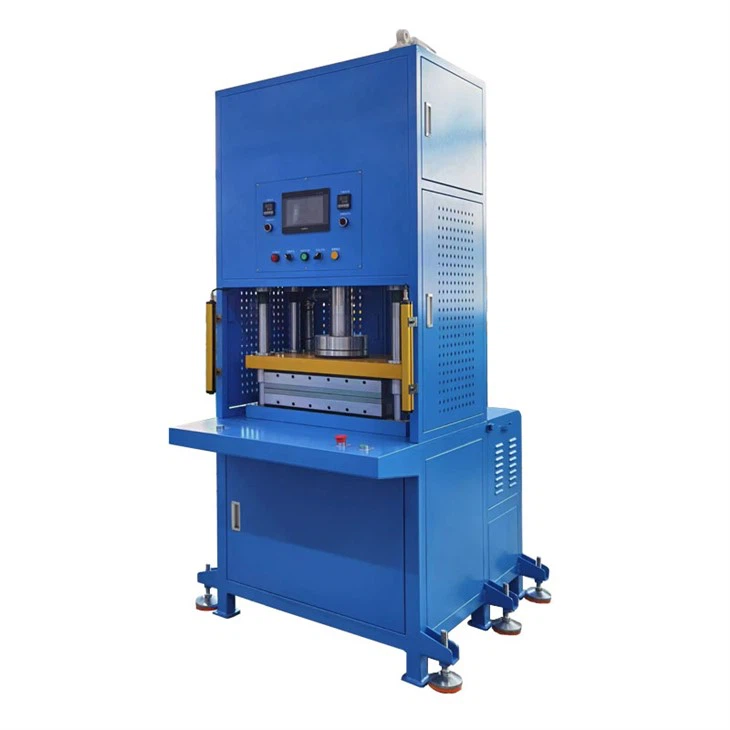
Before delving into their application in food processing, it's essential to understand what hot hydraulic presses are. A hot hydraulic press is a machine that uses hydraulic pressure to apply force, combined with heat, to perform various operations. The hydraulic system generates high pressure, which is transferred to a ram or platen, exerting force on the material being processed. The addition of heat allows for processes that require elevated temperatures, such as molding, shaping, and extraction.
Our company offers a range of hot hydraulic presses, including Hydraulic Baling Press Machine, Precision Hydraulic Press, and Electric Over Hydraulic Press, each designed to meet specific industrial needs. These presses are known for their precision, reliability, and high performance, making them suitable for a wide range of applications.
Potential Applications in Food Processing
Oil Extraction
One of the most promising applications of hot hydraulic presses in food processing is oil extraction. Many seeds and nuts, such as soybeans, sunflower seeds, and almonds, contain valuable oils that can be extracted using a hot hydraulic press. The application of heat and pressure helps to break down the cell walls of the seeds, releasing the oil. This method is considered more natural and environmentally friendly compared to solvent extraction methods, as it does not involve the use of chemicals.
Food Shaping and Molding
Hot hydraulic presses can also be used for food shaping and molding. For example, they can be used to create uniform shapes of chocolate bars, candies, and other confectionery products. The precise control of pressure and temperature allows for the production of high-quality products with consistent shapes and sizes. Additionally, the ability to apply heat can help to melt and mold the food materials, ensuring a smooth and seamless finish.
Texturizing and Extrusion
In the production of meat products, hot hydraulic presses can be used for texturizing and extrusion. By applying heat and pressure, the texture of the meat can be modified, resulting in products with different consistencies and flavors. This process can also be used to create meat analogs, which are plant-based alternatives to meat that mimic the texture and taste of real meat.
Advantages of Using Hot Hydraulic Presses in Food Processing
Quality and Safety
Hot hydraulic presses offer several advantages in terms of quality and safety. The precise control of pressure and temperature ensures that the food products are processed under optimal conditions, resulting in high-quality products with consistent flavor, texture, and appearance. Additionally, the use of heat can help to kill bacteria and other microorganisms, reducing the risk of foodborne illnesses.
Efficiency and Productivity
Compared to traditional food processing methods, hot hydraulic presses are more efficient and productive. They can process large quantities of food materials in a relatively short period, reducing production time and costs. The automated operation of the presses also minimizes the need for manual labor, further improving efficiency.
Versatility
Hot hydraulic presses are highly versatile machines that can be used for a wide range of food processing applications. They can be easily adjusted to accommodate different types of food materials and processing requirements, making them a valuable asset for food manufacturers.
Challenges and Considerations
Regulatory Compliance
One of the main challenges of using hot hydraulic presses in food processing is regulatory compliance. Food processing is a highly regulated industry, and manufacturers must ensure that their equipment meets all relevant safety and hygiene standards. This includes using materials that are safe for food contact, maintaining proper sanitation procedures, and complying with food labeling requirements.
Cost and Investment
The initial cost of purchasing and installing a hot hydraulic press can be significant. Additionally, there are ongoing costs associated with maintenance, repair, and energy consumption. Food manufacturers need to carefully consider the cost-benefit analysis before investing in this technology.
Technical Expertise
Operating a hot hydraulic press requires technical expertise and training. Food manufacturers need to ensure that their staff is properly trained to use the equipment safely and effectively. This includes understanding the principles of hydraulic systems, heat transfer, and food processing techniques.

Conclusion
In conclusion, hot hydraulic presses have the potential to revolutionize the food processing industry. Their ability to apply heat and pressure in a precise and controlled manner offers numerous advantages in terms of quality, safety, efficiency, and versatility. However, food manufacturers need to carefully consider the challenges and considerations associated with using this technology, including regulatory compliance, cost, and technical expertise.
As a leading supplier of hot hydraulic presses, we are committed to providing our customers with the highest quality equipment and support. We offer comprehensive training and technical assistance to ensure that our customers can use our presses safely and effectively. If you are interested in exploring the potential of hot hydraulic presses in your food processing operations, we invite you to contact us for a consultation. Our team of experts will be happy to discuss your specific needs and provide you with customized solutions.
References
- Smith, J. (2020). Food Processing Technology: Principles and Practice. CRC Press.
- Chen, H. (2019). Handbook of Food Engineering. John Wiley & Sons.
- National Food Processors Association. (2021). Food Processing Regulations and Standards.