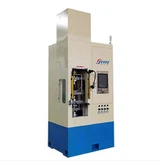
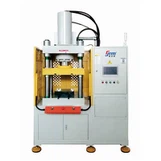
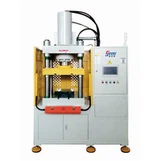
Operating an electric over hydraulic press safely is of utmost importance in any industrial setting. As a trusted supplier of Electric Over Hydraulic Presses, we understand the critical role that safety plays in the efficient and reliable operation of these powerful machines. In this blog post, we will delve into the key aspects of safe operation, providing you with comprehensive guidelines and best practices to ensure a secure working environment.
Pre - operation Safety Checks
Before starting the electric over hydraulic press, a series of pre - operation checks should be carried out. First and foremost, visually inspect the press for any signs of physical damage. Check the frame, hydraulic hoses, and electrical wiring for cracks, leaks, or fraying. A damaged hydraulic hose can lead to fluid leakage, which not only poses a safety hazard but can also cause the press to malfunction.
Verify that all safety guards are in place and in good working condition. Safety guards are designed to prevent operators from coming into contact with moving parts during the press operation. For instance, the guard around the ram area should be intact to avoid any accidental injuries. Make sure that the emergency stop button is easily accessible and functioning properly. The emergency stop button is a crucial safety feature that can immediately halt the press in case of an emergency.
Check the hydraulic fluid level. Low hydraulic fluid can lead to overheating of the hydraulic system and reduced performance of the press. Refer to the manufacturer's manual to determine the correct fluid level and top up if necessary. Also, examine the oil for any signs of contamination, such as dirt or metal particles. Contaminated oil can damage the hydraulic components and affect the overall operation of the press.
Inspect the electrical connections. Loose or damaged electrical connections can cause electrical shocks or short - circuits. Ensure that all plugs are securely inserted, and there are no exposed wires. Test the control panel to make sure that all the functions are working as expected. This includes checking the pressure settings, stroke length adjustments, and the start/stop functions.
Operator Training
Proper operator training is essential for the safe operation of an electric over hydraulic press. Operators should be trained on the specific model of the press they will be using. The training should cover the basic principles of how the press works, including the interaction between the electric and hydraulic systems.
Operators need to understand the different controls and functions of the press. For example, they should know how to set the correct pressure for a particular job. Incorrect pressure settings can lead to poor quality products or even damage to the press. They should also be trained on how to adjust the stroke length, which is crucial for ensuring that the press operates within the desired range.
Training should also include safety procedures. Operators should be taught how to use personal protective equipment (PPE) such as safety glasses, gloves, and ear protection. Safety glasses protect the eyes from flying debris, while gloves can prevent hand injuries from sharp edges or hot surfaces. Ear protection is necessary as the operation of the press can generate high levels of noise.
In addition, operators should be trained on how to respond to emergencies. This includes knowing how to use the emergency stop button, how to shut down the press in case of a malfunction, and how to handle any potential hazards such as hydraulic fluid leaks or electrical problems. Regular refresher training should be provided to keep operators up - to - date with the latest safety procedures and best practices.
Safe Operating Procedures
During the operation of the electric over hydraulic press, operators should follow a set of safe operating procedures. First, always keep the work area clean and organized. A cluttered work area can increase the risk of accidents, such as tripping or falling. Remove any unnecessary tools or materials from the vicinity of the press.
When loading and unloading the workpiece, make sure that the press is in the neutral position. Never attempt to load or unload a workpiece while the press is in motion. Use appropriate lifting equipment if the workpiece is heavy or large. This can prevent back injuries and ensure that the workpiece is placed correctly on the press bed.
Do not exceed the rated capacity of the press. Each press has a specific maximum pressure and load capacity, which are clearly stated in the manufacturer's manual. Exceeding the rated capacity can cause the press to fail, leading to serious accidents. Always check the specifications of the press before starting a job.
Monitor the operation of the press closely. Pay attention to any unusual noises, vibrations, or changes in pressure. If you notice any abnormalities, stop the press immediately and investigate the cause. Continuing to operate a malfunctioning press can lead to further damage and potential safety hazards.
Maintenance and Inspection
Regular maintenance and inspection are crucial for the safe and efficient operation of an electric over hydraulic press. A maintenance schedule should be established based on the manufacturer's recommendations. This schedule should include tasks such as hydraulic fluid changes, filter replacements, and lubrication of moving parts.
Hydraulic fluid should be changed at regular intervals to ensure its proper performance. Over time, the hydraulic fluid can break down and lose its effectiveness. Filter replacements are also important as they help to remove contaminants from the hydraulic system. Lubricating the moving parts, such as the ram and guide rails, can reduce friction and wear, extending the lifespan of the press.


In addition to regular maintenance, periodic inspections should be carried out by a qualified technician. The technician can perform more in - depth checks, such as testing the hydraulic system's pressure and flow rate, inspecting the electrical components for any signs of wear or damage, and checking the alignment of the press. Inspections can help to identify potential problems before they become serious issues.
Additional Safety Considerations
When using an electric over hydraulic press, it is important to be aware of the different types of presses available. For example, C Frame Press is a popular type of press that offers a compact design and easy access to the work area. However, operators should still follow all the safety procedures when using a C Frame Press.
Stamping Presses are used for various stamping operations. These presses require special attention to safety, especially when it comes to die changes. Operators should be trained on how to safely change the dies to avoid any injuries.
Hydraulic Baling Press Machine is another type of hydraulic press used for baling materials. When operating a hydraulic baling press machine, operators should ensure that the baling chamber is properly loaded and that the baling wire or straps are securely fastened.
Conclusion
Operating an electric over hydraulic press safely requires a combination of pre - operation checks, proper operator training, safe operating procedures, and regular maintenance. By following these guidelines, you can minimize the risk of accidents and ensure the long - term reliability of your press.
As a leading supplier of Electric Over Hydraulic Presses, we are committed to providing our customers with high - quality products and comprehensive support. If you are interested in purchasing an electric over hydraulic press or need more information on safe operation, please feel free to contact us for a detailed discussion. Our team of experts is ready to assist you in finding the right press for your specific needs and ensuring that you can operate it safely and efficiently.
References
- Manufacturer's manuals for Electric Over Hydraulic Presses
- Industry safety standards and guidelines for hydraulic press operation
- Occupational Safety and Health Administration (OSHA) regulations related to industrial machinery operation