In the world of industrial manufacturing, the choice between an electric servo press and a hydraulic press is a critical decision that can significantly impact production efficiency, quality, and cost. As a supplier of electric servo presses, I've witnessed firsthand the advantages and disadvantages of both technologies. In this blog post, I'll delve into the key differences between these two types of presses, highlighting the unique features and benefits of electric servo presses.
Working Principle
The fundamental difference between an electric servo press and a hydraulic press lies in their working principles. A hydraulic press operates by using a hydraulic fluid, typically oil, to transmit force from a pump to a cylinder. When the pump is activated, it forces the hydraulic fluid into the cylinder, causing a piston to move and generate the required pressing force. This process is relatively straightforward but relies on the flow and pressure of the hydraulic fluid to function effectively.
On the other hand, an electric servo press uses an electric motor, often a servo motor, to drive a mechanical system that generates the pressing force. The servo motor is controlled by a sophisticated control system that can precisely regulate the speed, position, and force of the press. This allows for highly accurate and repeatable pressing operations, making electric servo presses ideal for applications that require tight tolerances and consistent quality.
Precision and Repeatability
One of the most significant advantages of electric servo presses is their superior precision and repeatability. Thanks to the advanced control systems used in these presses, it's possible to achieve extremely accurate force and position control. This means that each pressing operation can be performed with the same level of precision, regardless of the number of cycles or the operator's skill level.
In contrast, hydraulic presses are more susceptible to variations in pressure and temperature, which can affect the accuracy and repeatability of the pressing process. While modern hydraulic presses have made significant improvements in this area, they still struggle to match the precision of electric servo presses. For applications such as assembly of delicate components or precision stamping, the high precision and repeatability of electric servo presses can be a game-changer.
Energy Efficiency
Energy efficiency is another important factor to consider when choosing between an electric servo press and a hydraulic press. Electric servo presses are generally more energy-efficient than hydraulic presses because they only consume power when the press is in operation. The servo motor can be precisely controlled to match the required force and speed, reducing energy waste.
Hydraulic presses, on the other hand, require a continuous supply of power to maintain the pressure in the hydraulic system, even when the press is idle. This constant power consumption can lead to higher energy costs over time. Additionally, hydraulic systems can experience energy losses due to friction and heat generation, further reducing their overall efficiency.
Maintenance and Environmental Impact
Maintenance requirements and environmental impact are also important considerations. Electric servo presses have fewer moving parts and do not require hydraulic fluid, which means they generally require less maintenance than hydraulic presses. This can result in lower maintenance costs and less downtime for repairs.
Hydraulic presses, however, require regular maintenance of the hydraulic system, including fluid changes, filter replacements, and seal inspections. The hydraulic fluid can also pose an environmental risk if it leaks or is not disposed of properly. Electric servo presses, being more environmentally friendly, eliminate these concerns and are a more sustainable choice for modern manufacturing.
Speed and Flexibility
Electric servo presses offer greater speed and flexibility compared to hydraulic presses. The servo motor can be quickly adjusted to change the pressing speed, force, and stroke length, allowing for rapid adaptation to different production requirements. This flexibility makes electric servo presses well-suited for small-batch production and applications that require frequent changeovers.


Hydraulic presses, while capable of generating high forces, are generally slower to operate and less flexible in terms of speed and stroke adjustment. The time required to build up and release pressure in the hydraulic system can limit the overall cycle time and make it more difficult to adapt to changing production needs.
Cost
When it comes to cost, there are several factors to consider. The initial purchase price of an electric servo press is typically higher than that of a hydraulic press. However, when you factor in the long-term savings in energy costs, maintenance costs, and increased productivity, the total cost of ownership of an electric servo press can be more competitive.
Hydraulic presses may have a lower upfront cost, but the ongoing expenses associated with energy consumption, maintenance, and potential environmental issues can add up over time. For businesses looking to invest in a press that offers long-term value and efficiency, an electric servo press may be the more cost-effective choice.
Applications
Both electric servo presses and hydraulic presses have their own unique applications. Hydraulic presses are well-suited for applications that require high force, such as metal forging, deep drawing, and large-scale stamping. Their ability to generate significant force makes them a popular choice in heavy industries.
Electric servo presses, on the other hand, are ideal for applications that require precision, speed, and flexibility, such as electronics assembly, medical device manufacturing, and automotive component production. The high precision and repeatability of electric servo presses ensure consistent quality in these demanding applications.
Conclusion
In conclusion, the choice between an electric servo press and a hydraulic press depends on a variety of factors, including the specific application requirements, precision needs, energy efficiency goals, and budget constraints. While hydraulic presses have been a staple in industrial manufacturing for many years, electric servo presses offer several advantages, including superior precision, energy efficiency, and flexibility.
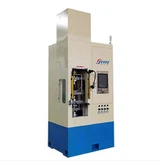
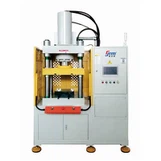
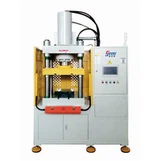
As a supplier of electric servo presses, I'm confident in the capabilities of our products to meet the diverse needs of modern manufacturing. If you're considering upgrading your pressing equipment or are in the market for a new press, I encourage you to explore the benefits of electric servo presses. We offer a range of products, including the Servo Hydraulic Press Machine, H Frame Electric Servo Press, and High Precision Servo Press, to suit different applications and budgets.
If you have any questions or would like to discuss your specific requirements, please don't hesitate to reach out. Our team of experts is here to help you make an informed decision and find the perfect press for your business.
References
- ASM International. (2008). Metalworking: Forming and Forging.
- Dieter, G. E. (2000). Mechanical Metallurgy.
- Kalpakjian, S., & Schmid, S. R. (2010). Manufacturing Engineering and Technology.