Ergonomics is a critical aspect in the design and operation of stamping presses. As a supplier of stamping presses, we understand the importance of ensuring that our equipment not only meets the production requirements but also takes into account the well - being of the operators. In this blog, we will delve into the key ergonomic considerations for stamping press operators.
1. Workspace Design
The layout of the workspace around the stamping press is fundamental to operator comfort and safety. A well - designed workspace should allow for easy access to all controls and tools. Operators should be able to reach the controls without having to stretch or twist their bodies awkwardly. This reduces the risk of musculoskeletal disorders (MSDs) such as back pain, shoulder strains, and wrist injuries.
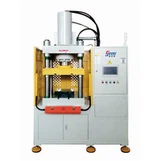
The height of the work surface is also crucial. The ideal height for a stamping press work surface is at or slightly below the elbow height of the operator when standing. This position allows the operator to work with their arms in a natural, relaxed position, minimizing fatigue. Our C Frame Press is designed with adjustable work surfaces to accommodate operators of different heights, ensuring optimal ergonomic positioning.
In addition, the workspace should be well - lit. Adequate lighting helps operators to see clearly, reducing the chances of errors and accidents. Shadows and glare can cause eye strain and make it difficult for operators to accurately position the workpieces. We recommend the use of task lighting in addition to general workplace lighting to ensure that the area around the stamping press is well - illuminated.
2. Press Controls
The design of the press controls has a significant impact on operator ergonomics. Controls should be intuitive and easy to use. Buttons and switches should be large enough to be easily pressed, even when the operator is wearing gloves. They should also be clearly labeled, so that the operator can quickly identify and operate them.
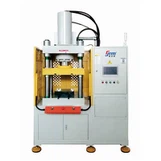
The location of the controls is also important. Controls should be within easy reach of the operator, preferably within a comfortable reach zone. For example, emergency stop buttons should be prominently located and easily accessible in case of an emergency. Our 100 Ton Hydraulic Press features ergonomic control panels with large, clearly labeled buttons that are within easy reach of the operator, enhancing safety and ease of use.
Some modern stamping presses are equipped with touch - screen controls. While touch - screen controls can offer a more advanced and user - friendly interface, they also need to be designed with ergonomics in mind. The touch - screen should be at a comfortable viewing angle and within easy reach. It should also be responsive and resistant to accidental touches.
3. Material Handling
Material handling is a major part of a stamping press operator's job. Lifting, carrying, and positioning heavy workpieces can put a lot of strain on the operator's body. To reduce this strain, it is important to use proper material handling equipment.
Conveyor systems can be used to transport workpieces to and from the stamping press, eliminating the need for operators to manually lift and carry heavy items. Lifting aids such as hoists and cranes can also be used to assist with the handling of large or heavy workpieces. These devices not only reduce the physical strain on the operator but also improve productivity by allowing for faster and more efficient material handling.
In addition, the storage of materials should be organized in a way that is convenient for the operator. Workpieces should be stored at a height that is easy to access, and there should be enough space around the storage area for the operator to move freely. Our presses can be integrated with various material handling systems to provide a comprehensive and ergonomic solution for the stamping process.
4. Vibration and Noise
Stamping presses generate a significant amount of vibration and noise during operation. Prolonged exposure to vibration can cause hand - arm vibration syndrome (HAVS), which can lead to numbness, tingling, and loss of dexterity in the hands. Noise can also cause hearing loss and other health problems.
To reduce the impact of vibration, we use vibration - dampening materials in the construction of our stamping presses. These materials absorb and dissipate the vibration energy, reducing the amount of vibration transmitted to the operator. In addition, the press should be properly installed and leveled to minimize vibration.
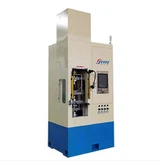
For noise reduction, enclosures can be installed around the stamping press. These enclosures are designed to absorb and block the noise generated by the press. Operators should also be provided with appropriate personal protective equipment (PPE) such as earplugs or earmuffs to further reduce their exposure to noise. Our Electric Over Hydraulic Press is designed with advanced noise - and vibration - reduction features, creating a more comfortable working environment for the operator.
5. Operator Seating
If the stamping press operation allows for it, providing a suitable seat for the operator is essential. A good quality seat should be adjustable in terms of height, angle, and lumbar support. It should be able to support the operator's body in a natural, upright position, reducing the risk of back pain and fatigue.


The seat should also be comfortable and made of materials that are breathable. This helps to prevent sweating and discomfort during long - term use. Some seats are also equipped with shock - absorbing features to further reduce the impact of vibration on the operator.
In cases where the operator needs to stand for long periods, anti - fatigue mats can be used. These mats provide cushioning and support for the feet, reducing the pressure on the legs and back.
6. Training and Education
Proper training and education are crucial for ensuring that stamping press operators understand and implement ergonomic practices. Operators should be trained on the correct use of the stamping press, including how to position themselves correctly, how to use the controls safely, and how to handle materials properly.
Training should also cover the importance of ergonomics and the potential health risks associated with poor ergonomic practices. By educating operators about ergonomics, they are more likely to adopt good habits and take care of their own health and safety.
Regular refresher training should be provided to keep operators up - to - date with the latest ergonomic practices and safety procedures.
7. Safety Features
Safety features are an integral part of ergonomic design. In addition to emergency stop buttons, stamping presses should be equipped with safety guards to prevent operators from coming into contact with moving parts. These guards should be easy to open and close for maintenance and setup, but also provide a reliable barrier to protect the operator.
Light curtains and proximity sensors can also be used to detect the presence of the operator's hands or other body parts in the danger zone. When a hand or body part is detected, the press will automatically stop, preventing potential injuries.
Our stamping presses are designed with a comprehensive set of safety features to protect the operator. These features not only enhance safety but also give operators peace of mind, allowing them to focus on their work without constantly worrying about potential hazards.
Conclusion
Ergonomic considerations are essential for stamping press operators. By focusing on workspace design, press controls, material handling, vibration and noise reduction, operator seating, training, and safety features, we can create a more comfortable, safe, and productive working environment for operators.
As a stamping press supplier, we are committed to providing high - quality equipment that meets the highest ergonomic standards. Our 100 Ton Hydraulic Press, Electric Over Hydraulic Press, and C Frame Press are all designed with ergonomics in mind, offering a combination of safety, comfort, and efficiency.
If you are in the market for a stamping press and are looking for equipment that prioritizes operator ergonomics, we invite you to contact us for more information and to discuss your specific requirements. Our team of experts is ready to assist you in finding the perfect stamping press solution for your business.
References
- Grandjean, E. (1988). Fitting the Task to the Man: An Ergonomic Approach. Taylor & Francis.
- Kroemer, K. H. E., Kroemer, H. J., & Kroemer - Elbert, K. E. (2001). Engineering Physiology: Bases of Human Factors/Ergonomics. Psychology Press.
- National Institute for Occupational Safety and Health (NIOSH). (2007). Musculoskeletal Disorders and Workplace Factors: A Critical Review of Epidemiologic Evidence for Work - Related Musculoskeletal Disorders of the Neck, Upper Extremity, and Low Back. DHHS (NIOSH) Publication No. 97 - 141.