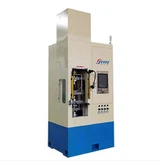
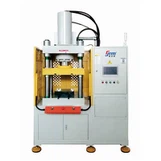
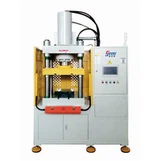
Hey there! I'm a supplier of hot hydraulic presses, and I often get asked, "What materials can be processed by a hot hydraulic press?" Well, let's dive right in and explore the wide range of materials that these powerful machines can handle.
Metals
Metals are probably the most common materials processed by hot hydraulic presses. The high pressure and controlled heat can work wonders on different types of metals.
Steel
Steel is a workhorse in many industries, and hot hydraulic presses are great for shaping it. Whether it's forging steel into complex parts like gears or axles, or simply compressing steel billets to increase their density, hot hydraulic presses are up to the task. For example, in the automotive industry, steel components are often processed using hot hydraulic presses to ensure they meet the high - strength requirements. The heat softens the steel, making it more malleable, and the hydraulic force can then shape it precisely. If you're in the market for a press that can handle steel, our 4 Post Hydraulic Press is a great option. It provides stable and powerful pressure, perfect for large - scale steel processing.
Aluminum
Aluminum is lightweight yet strong, and it's widely used in industries such as aerospace and electronics. Hot hydraulic presses can be used to extrude aluminum into various shapes, like tubes or profiles. They can also be used for die - casting aluminum parts. The heat helps in reducing the viscosity of the aluminum, allowing it to flow more easily into the die cavities. Our 20 Ton Hydraulic Press is suitable for small - to - medium - scale aluminum processing jobs. It offers precise control over the pressure and temperature, ensuring high - quality aluminum products.
Copper
Copper is a highly conductive metal, and it's used in electrical wiring, plumbing, and many other applications. Hot hydraulic presses can be used to form copper sheets into different shapes, such as coils or heat sinks. The heat treatment during the pressing process can also improve the mechanical properties of copper, like its ductility.
Plastics
Plastics are another group of materials that can be effectively processed by hot hydraulic presses.
Thermoplastics
Thermoplastics, such as polyethylene, polypropylene, and PVC, can be melted and reshaped using hot hydraulic presses. The heat from the press softens the thermoplastic, and the pressure can then mold it into the desired shape. This is commonly used in the production of plastic containers, toys, and automotive interior parts. For plastic processing, an Air Operated Hydraulic Press can be a great choice. It offers quick and efficient operation, which is important when dealing with plastics that cool and harden rapidly.
Thermosetting Plastics
Thermosetting plastics, like epoxy and phenolic resins, require a different approach. These plastics are initially in a liquid or semi - liquid state, and the heat and pressure from the hot hydraulic press cause a chemical reaction that hardens them permanently. This is used in the production of electrical insulators, circuit boards, and some high - performance composite materials.
Composites
Composite materials are made by combining two or more different materials to achieve specific properties. Hot hydraulic presses play a crucial role in their production.
Fiberglass Composites
Fiberglass composites consist of glass fibers embedded in a resin matrix. Hot hydraulic presses are used to compress the fiberglass layers and the resin, ensuring proper bonding and a uniform distribution of the fibers. This results in strong and lightweight parts, which are used in boats, wind turbine blades, and automotive body panels.


Carbon Fiber Composites
Carbon fiber composites are even stronger and lighter than fiberglass composites. They are widely used in high - performance applications, such as aerospace and racing cars. The hot hydraulic press is used to apply high pressure and heat during the curing process of the carbon fiber prepregs (pre - impregnated fibers). This helps in achieving the desired mechanical properties and reducing voids in the composite structure.
Ceramics
Ceramics are known for their high hardness, wear resistance, and heat resistance. Hot hydraulic presses can be used in the processing of ceramics in several ways.
Ceramic Compaction
Ceramic powders can be compacted using hot hydraulic presses to form green bodies. These green bodies can then be sintered at high temperatures to become dense ceramic parts. This is used in the production of ceramic tiles, insulators, and cutting tools.
Ceramic Forming
Some ceramics can be formed into complex shapes using hot hydraulic presses. The heat can make the ceramic material more malleable, allowing it to be shaped into the desired form.
Wood
In some cases, wood can also be processed using hot hydraulic presses.
Wood Laminating
Hot hydraulic presses can be used to laminate multiple layers of wood together. The heat and pressure help in bonding the wood layers with adhesives, creating stronger and more stable wood products, such as plywood and laminated beams.
Factors to Consider When Processing Different Materials
When using a hot hydraulic press to process different materials, there are several factors to keep in mind.
Temperature
Different materials require different temperatures for optimal processing. For example, steel may need to be heated to very high temperatures (around 1000 - 1200°C) for forging, while plastics may only need to be heated to a few hundred degrees Celsius. It's important to have a press with precise temperature control to ensure the best results.
Pressure
The amount of pressure required also varies depending on the material. Harder materials like metals usually require higher pressures, while softer materials like plastics may need less pressure. Our hot hydraulic presses are designed to offer a wide range of pressure settings, allowing you to adjust according to the material you're processing.
Processing Time
The time required for processing can also vary. Some materials may need to be held under pressure for a longer time to achieve the desired results, especially when it comes to chemical reactions in plastics and composites.
If you're interested in purchasing a hot hydraulic press for processing any of these materials, I'd love to have a chat with you. We can discuss your specific requirements, such as the type of material, production volume, and budget. Whether you need a press for small - scale prototyping or large - scale industrial production, we have the right solution for you. Just reach out, and let's start the conversation about getting the perfect hot hydraulic press for your business.
References
- Callister, W. D., & Rethwisch, D. G. (2011). Materials Science and Engineering: An Introduction. Wiley.
- Ashby, M. F., & Jones, D. R. H. (2005). Engineering Materials 1: An Introduction to Properties, Applications, and Design. Butterworth - Heinemann.