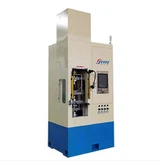
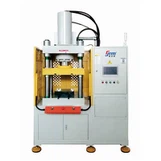
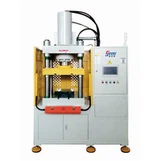
In the realm of industrial machinery, hydraulic hose presses play a pivotal role in various applications, from automotive manufacturing to heavy equipment maintenance. One of the most frequently asked questions regarding these machines is, "What is the pressing time of a hydraulic hose press?" As a leading supplier of hydraulic hose presses, I'm here to shed light on this critical aspect and provide you with a comprehensive understanding of the factors that influence pressing time.
Understanding the Basics of Hydraulic Hose Presses
Before delving into the pressing time, it's essential to grasp the fundamental working principle of a hydraulic hose press. These machines utilize hydraulic power to generate the force required to crimp or assemble hydraulic hoses and fittings. The process involves placing the hose and fitting into the press, activating the hydraulic system, and applying pressure until the fitting is securely attached to the hose.
The pressing time is the duration it takes for the press to complete this crimping or assembly process. It is a crucial parameter that can significantly impact productivity, efficiency, and the overall quality of the finished product.
Factors Affecting Pressing Time
Several factors come into play when determining the pressing time of a hydraulic hose press. Let's take a closer look at each of these factors:
1. Hose and Fitting Size
The size of the hose and fitting is one of the primary factors that influence pressing time. Larger hoses and fittings require more force to crimp, which typically results in a longer pressing time. For example, a press may take longer to crimp a 2-inch diameter hose compared to a 1/2-inch diameter hose.
2. Material Composition
The material composition of the hose and fitting also plays a significant role in determining pressing time. Different materials have varying levels of hardness and flexibility, which can affect the ease of crimping. For instance, a hose made of a more rigid material may require more force and time to crimp compared to a hose made of a softer material.
3. Press Capacity
The capacity of the hydraulic hose press is another crucial factor. Presses with higher tonnage capacities can generate more force, allowing them to crimp larger hoses and fittings more quickly. For example, a 30 Tonne Hydraulic Press may have a shorter pressing time for larger hoses compared to a lower capacity press.
4. Press Design and Technology
The design and technology of the hydraulic hose press can also impact pressing time. Modern presses are often equipped with advanced features such as automatic cycle control, quick-change tooling, and high-speed hydraulic systems, which can significantly reduce pressing time. For instance, a press with a quick-change tooling system allows operators to switch between different hose and fitting sizes more rapidly, minimizing downtime between crimping operations.
5. Operator Skill and Experience
The skill and experience of the operator can also influence pressing time. A well-trained and experienced operator can perform the crimping process more efficiently, ensuring that the press is operated at its optimal performance. They can also make adjustments to the press settings as needed, further reducing pressing time.
Optimizing Pressing Time
As a supplier of hydraulic hose presses, we understand the importance of optimizing pressing time to enhance productivity and efficiency. Here are some tips to help you reduce pressing time and improve the overall performance of your hydraulic hose press:
1. Choose the Right Press
Selecting the appropriate hydraulic hose press for your specific application is crucial. Consider factors such as hose and fitting size, material composition, and production volume when choosing a press. A press with the right capacity and features can significantly reduce pressing time.
2. Maintain Your Press Regularly
Regular maintenance is essential to ensure the optimal performance of your hydraulic hose press. This includes checking and replacing worn-out parts, lubricating moving components, and calibrating the press as needed. A well-maintained press will operate more efficiently, reducing pressing time and minimizing the risk of breakdowns.
3. Train Your Operators
Investing in operator training is another effective way to optimize pressing time. Provide your operators with comprehensive training on the proper operation and maintenance of the hydraulic hose press. This will enable them to perform the crimping process more efficiently and accurately, reducing pressing time and improving the quality of the finished product.
4. Use High-Quality Hoses and Fittings
Using high-quality hoses and fittings can also help reduce pressing time. High-quality materials are easier to crimp and require less force, resulting in a shorter pressing time. Additionally, high-quality hoses and fittings are less likely to cause problems during the crimping process, further improving efficiency.
Real-World Examples
To illustrate the impact of pressing time on productivity, let's consider a real-world example. A manufacturing company that produces hydraulic hoses for the automotive industry was experiencing long pressing times with their existing hydraulic hose press. After consulting with us, we recommended upgrading to a 75 Ton Hydraulic Press with advanced features such as automatic cycle control and quick-change tooling.
The new press significantly reduced pressing time, allowing the company to increase their production output by 30%. This not only improved their productivity but also reduced their production costs, making them more competitive in the market.
The Role of Temperature in Pressing Time
In some cases, the temperature can also affect the pressing time of a hydraulic hose press. For example, in applications where a Hot Hydraulic Press is used, the heat can soften the material, making it easier to crimp. This can result in a shorter pressing time compared to a cold press.


However, it's important to note that excessive heat can also have a negative impact on the material properties of the hose and fitting. Therefore, it's crucial to carefully control the temperature during the pressing process to ensure the optimal balance between pressing time and product quality.
Conclusion
In conclusion, the pressing time of a hydraulic hose press is influenced by several factors, including hose and fitting size, material composition, press capacity, press design and technology, and operator skill and experience. By understanding these factors and implementing the optimization tips mentioned above, you can significantly reduce pressing time, improve productivity, and enhance the overall quality of your hydraulic hose assemblies.
As a leading supplier of hydraulic hose presses, we are committed to providing our customers with high-quality machines and comprehensive support. If you have any questions or need assistance in choosing the right hydraulic hose press for your application, please don't hesitate to contact us. We look forward to working with you to meet your pressing needs and help you achieve your production goals.
References
- "Hydraulic Hose Press Handbook" - Industry Publication
- "Advanced Hydraulic Systems: Principles and Applications" - Academic Book
- Manufacturer's Technical Documentation for Hydraulic Hose Presses