Hey there! As a supplier of small hydraulic presses, I often get asked about the service life of the hydraulic pump in these machines. It's a crucial question because the hydraulic pump is like the heart of a small hydraulic press, responsible for generating the pressure needed to perform various tasks. So, let's dive into this topic and explore what affects the service life of a hydraulic pump in a small hydraulic press.
Understanding the Basics of Hydraulic Pumps in Small Hydraulic Presses
First off, let's quickly go over what a hydraulic pump does in a small hydraulic press. A hydraulic pump converts mechanical energy into hydraulic energy by creating a flow of pressurized fluid. This pressurized fluid then powers the cylinders in the press, allowing it to exert force for tasks like bending, punching, and forming.
There are different types of hydraulic pumps used in small hydraulic presses, such as gear pumps, vane pumps, and piston pumps. Each type has its own characteristics and is suitable for different applications. For example, gear pumps are simple and cost - effective, making them a popular choice for smaller presses. Vane pumps offer better efficiency and smoother operation, while piston pumps are known for their high pressure capabilities.
Factors Affecting the Service Life of Hydraulic Pumps
1. Quality of the Pump
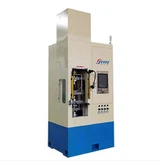
The quality of the hydraulic pump itself plays a huge role in determining its service life. High - quality pumps are made from better materials and are manufactured to more precise tolerances. They are designed to handle the rigors of continuous operation and are less likely to break down prematurely. When we source pumps for our Hot Hydraulic Press, we always look for pumps from reputable manufacturers with a proven track record.
2. Operating Conditions
The environment in which the small hydraulic press operates can have a significant impact on the pump's lifespan. If the press is used in a dirty or dusty environment, contaminants can enter the hydraulic system and cause wear and tear on the pump components. High temperatures can also reduce the viscosity of the hydraulic fluid, leading to increased friction and potential damage to the pump. On the other hand, extremely cold temperatures can make the fluid too thick, putting extra strain on the pump.
3. Maintenance
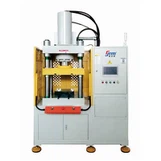
Proper maintenance is key to extending the service life of a hydraulic pump. Regularly changing the hydraulic fluid and filters is essential to keep the system clean and free of contaminants. Checking for leaks, loose connections, and proper alignment of the pump components can also prevent small issues from turning into major problems. We always provide our customers with detailed maintenance guides for our C Frame Press and other models to ensure they can take good care of their equipment.


4. Usage Patterns
How often and how intensively the small hydraulic press is used also affects the pump's lifespan. If the press is used continuously for long periods without breaks, the pump will experience more wear and tear. Similarly, if the press is frequently overloaded, the pump will have to work harder than it's designed to, which can lead to premature failure.
Typical Service Life of Hydraulic Pumps in Small Hydraulic Presses
On average, a well - maintained hydraulic pump in a small hydraulic press can last anywhere from 5 to 15 years. However, this is just a rough estimate, and the actual service life can vary widely depending on the factors mentioned above.
For example, a high - quality pump used in a clean, well - maintained environment with moderate usage patterns may last closer to 15 years. On the other hand, a lower - quality pump used in a harsh environment with heavy usage may only last 5 years or less.
Extending the Service Life of Hydraulic Pumps
1. Choose the Right Pump
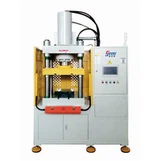
Selecting the right type and size of hydraulic pump for your specific application is crucial. Make sure the pump has enough capacity to handle the workload of your small hydraulic press without being overloaded. Our team can help you choose the most suitable pump for your Small Electric Hydraulic Press based on your requirements.
2. Maintain a Clean Environment
Keep the area around the small hydraulic press clean and free of dust and debris. Use proper filtration systems to prevent contaminants from entering the hydraulic system. If possible, install the press in a climate - controlled environment to avoid extreme temperatures.
3. Follow a Regular Maintenance Schedule
Stick to a regular maintenance schedule for your hydraulic press. This includes changing the hydraulic fluid and filters at the recommended intervals, checking for leaks, and inspecting the pump components for wear. We offer maintenance packages for our customers to make it easier for them to keep their equipment in top condition.
4. Train Your Operators
Proper training of operators is essential to ensure the correct use of the small hydraulic press. Operators should be aware of the press's limitations and should avoid overloading the pump. They should also know how to recognize the signs of potential problems, such as unusual noises or vibrations, and report them immediately.
Conclusion
In conclusion, the service life of a hydraulic pump in a small hydraulic press depends on a variety of factors, including the quality of the pump, operating conditions, maintenance, and usage patterns. By choosing the right pump, maintaining a clean environment, following a regular maintenance schedule, and training your operators, you can significantly extend the lifespan of the pump and get the most out of your small hydraulic press.
If you're in the market for a small hydraulic press or have any questions about the service life of hydraulic pumps, don't hesitate to reach out. We're here to help you make the best choice for your business and ensure that your equipment runs smoothly for years to come.
References
- "Hydraulic Systems and Components" - A technical guide on hydraulic systems and the factors affecting their performance.
- Industry reports on the lifespan of hydraulic pumps in different applications.